Sustainable Solutions: How E-Waste Recycling Services Are Saving Our Planet
E-waste poses significant threats to the environment, as disposed electronics frequently harbor hazardous substances. These toxic materials have the potential to taint soil and water sources, leading to broader ecological damage. Electronic waste recycling programs offer an effective remedy. They not only recover valuable resources but also mitigate pollution. Comprehending the operation of these services and their influence on communities is of great importance. The journey towards effective e-waste management raises critical questions about individual responsibility and collective action. What actions should be considered going forward?
The Reasons E-Waste Is Damaging to the Planet
Although technological advancements improve our daily lives, e-waste poses serious Try it free threats to the environment. Abandoned electronic gadgets, commonly laden with toxic substances including mercury, lead, and cadmium, can leach toxins into the surrounding soil and water supply, posing risks to ecosystems and human health. The swift progression of technology results in greater consumer replacement of electronic devices, exacerbating the accumulation of discarded electronic materials.
Landfills, already overwhelmed with refuse, find it difficult to handle the increasing amounts of discarded devices. Burning, an alternative disposal approach, discharges toxic contaminants into the air, worsening overall air quality. In addition, improper recycling practices can lead to the exportation of e-waste to developing countries, where laborers may dismantle devices without adequate safety measures, exposing themselves to dangerous substances. This ongoing cycle of carelessness and inadequate management emphasizes the pressing necessity for responsible recycling initiatives that can lessen the harmful consequences of e-waste on our world.
What Is E-Waste and Why Is It Important?
E-waste, also referred to as electronic waste, comprises unwanted electronic equipment such as computers, smartphones, and televisions that have reached the end of their useful life. This rapidly expanding waste category is noteworthy due to its rapid accumulation, fueled by innovation in technology and shifting consumer habits. With an increasing number of devices reaching obsolescence, the ecological consequences become more pronounced, with harmful substances like lead, mercury, and cadmium threatening both ecosystems and public health.
Addressing e-waste is crucial not only for reducing these dangers but also for acknowledging the precious materials found within it. Precious metals and rare earth elements can be recovered and reused, reducing the need for mining and conserving natural resources. By understanding e-waste and its implications, individuals and organizations can make informed decisions about disposal and recycling, ultimately contributing to a more sustainable future. Proper management of e-waste is essential for fostering a circular economy and promoting environmental stewardship.
How E-Waste Recycling Works
Recycling e-waste involves an organized procedure designed to recover valuable materials while limiting ecological damage. At the outset, electronic waste is gathered and delivered to purpose-built recycling plants. Once there, the equipment is meticulously organized to separate hazardous components from recyclable materials.
Following this, technicians take apart the electronics, extracting glass, metals, and plastics. This stage is crucial, as it facilitates the recovery of high-value metals like gold, silver, and copper, which can be reused in new electronics.
Subsequently, the sorted materials are refined through state-of-the-art techniques, such as mechanical shredding and chemical processing, to cleanse them for reuse.
In the final step, the remaining dangerous materials are managed properly, following environmental regulations. This multi-step approach not only saves important resources but also mitigates the risks associated with improper e-waste disposal, securing a more eco-conscious future for electronic device usage.
Advantages of E-Waste Recycling for You and Your Community
Although it often goes unnoticed, the advantages of e-waste recycling reach well past personal use to meaningfully influence entire communities. By carefully processing electronic waste, individuals play a role in creating a healthier environment, reducing hazardous materials that can leach into soil and water. This forward-thinking practice works to protect local ecosystems and supports public health.
Additionally, the recycling of e-waste encourages employment opportunities within local communities. Regional recycling centers frequently need staff for a range of functions, covering everything from collection to processing, thereby providing employment opportunities for local residents. This not only boosts the local economy but also inspires community dedication to sustainable efforts.
In addition, knowledge about e-waste recycling is capable of inspiring awareness campaigns, encouraging residents to pursue greener alternatives. By participating in e-waste recycling programs, individuals foster a culture of sustainability, inspiring others to join the movement. All things considered, the combined impact of these actions can contribute to a more robust and eco-friendly community.
Tips for Choosing an E-Waste Recycling Service
Choosing the right electronic waste recycling provider is crucial for making sure that electronic waste is managed with responsibility and sustainability. Initially, individuals should confirm the service's accreditations, such as e-Stewards or R2, which signify conformance to industry standards for responsible recycling methods. Additionally, it is advisable to assess the company's reputation by reading customer reviews and obtaining advice from dependable sources.
Moreover, openness in the recycling process is crucial. A dependable provider should supply straightforward details about how e-waste is processed and how the materials are utilized. Moreover, considering the scope of services provided can prove valuable; some companies may provide pickup services or offer incentives for recycling.
Finally, being aware of local regulations regarding e-waste disposal can additionally influence the choice of disposal method. When these considerations are given priority, residents can actively participate in responsible e-waste disposal while supporting environmentally responsible practices.
How You Can Take Part in E-Waste Recycling?
Getting involved with e-waste recycling often starts at the local level, where community recycling hubs frequently offer essential services for proper disposal. Furthermore, taking part in community awareness campaigns can enhance efforts to raise awareness about the importance of responsible e-waste management. Such efforts not only advance environmental sustainability but also foster a collective sense of accountability for the environment.
Local Recycling Centers
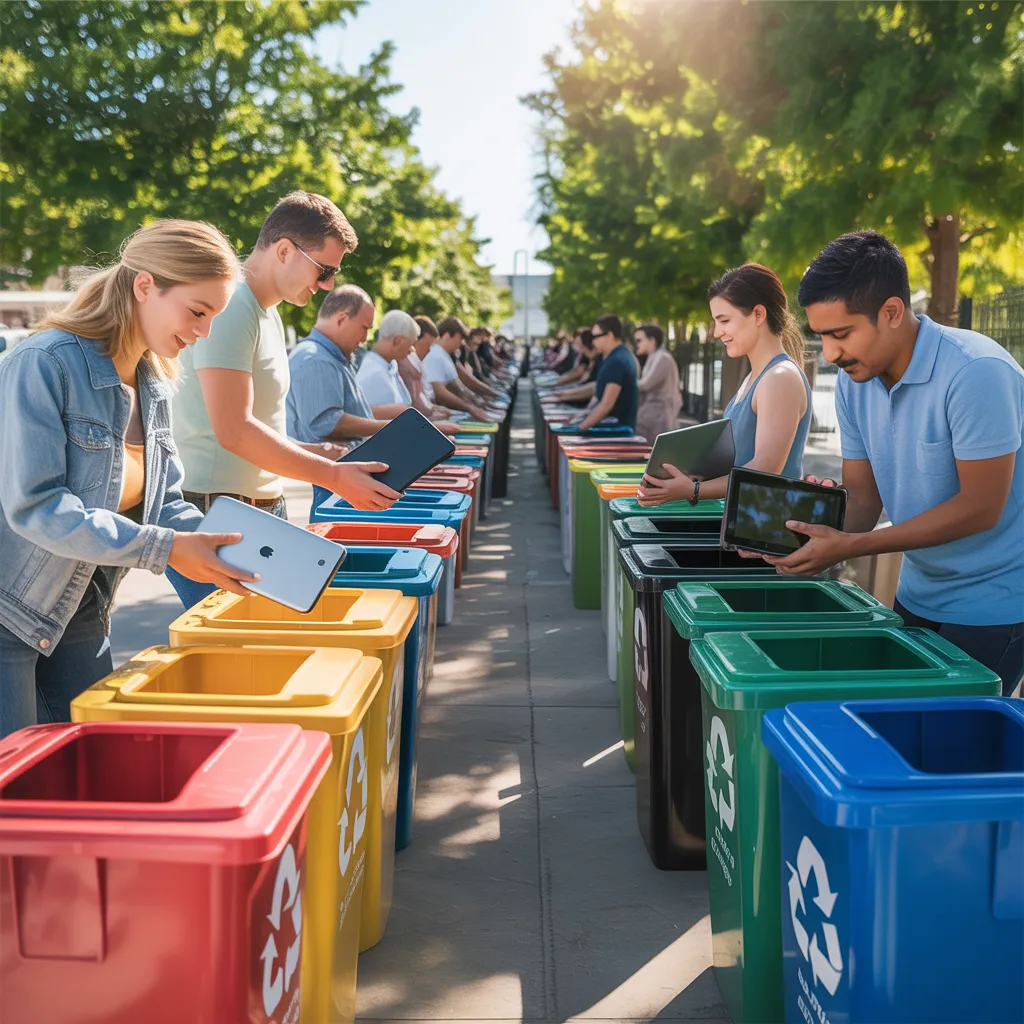
Numerous neighborhood recycling stations perform an important function in the recycling of e-waste, offering communities convenient opportunities to dispose of electronic waste responsibly. These centers accept a variety of electronic equipment, including old computers, smartphones, and televisions, verifying that toxic materials are disposed of safely. Most stations have experienced team members who help individuals navigate appropriate disposal procedures, stressing the significance of recycling instead of landfilling. Additionally, many centers offer organized drop-off opportunities or appointed collection periods, enabling residents to engage without difficulty. By engaging with these local facilities, community members advance a circular economy, decreasing environmental damage and advancing sustainable approaches. Partnering with these facilities encourages communities to fight e-waste pollution decisively.
Public Awareness Initiatives
Nearby organizations, schools, and enterprises can partner to arrange initiatives that encourage e-waste collection drives. Community members can serve a critical function in promoting knowledge, handing out educational content, and interacting with the surrounding community. Through these collective efforts, residents become more informed and motivated to recycle their electronic waste, thereby helping to build a greener and more sustainable tomorrow.
Questions We Often Receive
Which Types of Electronics Are Recyclable?
Many different electronics may be recycled, including laptops, televisions, smartphones, printers, computers, and gaming consoles. Moreover, ancillary devices such as mice, keyboards, and batteries are also suitable for recycling, contributing to sustainable environmental practices.
Are There Any Costs Associated With E-Waste Recycling?
Indeed, electronic waste recycling may involve costs, depending on the facility. Some service centers apply costs for gathering or treatment, while other facilities make services available at no charge, often subsidized by the proceeds from salvaged materials.
How Do Businesses Gain From E-Waste Recycling?
Businesses can benefit from e-waste recycling by reducing disposal costs, strengthening their ecological standing, complying with regulations, extracting valuable resources, and possibly earning income through resale, thus supporting a greener and more sustainable operational framework.
What Occurs with Data on Recycled Devices?
Details from recycled devices is commonly irretrievably wiped or destroyed throughout the recycling process. This confirms sensitive information is kept safe, blocking unwanted intrusion while permitting components to be reused securely and sustainably across new manufacturing processes.
Is It Possible to Recycle Damaged Electronics?
Absolutely, damaged electronics are able to be recycled. Numerous facilities accept defective devices, ensuring responsible disposal and recovery of precious materials. Doing so helps lower harm to the environment while supporting eco-friendly recycling methods to address electrical waste properly.